Born on an Airbase, Licensed in the Cockpit: Byron Garrido's Path to Becoming a Pilot
By: X-Team
June 27, 2024 3 min read
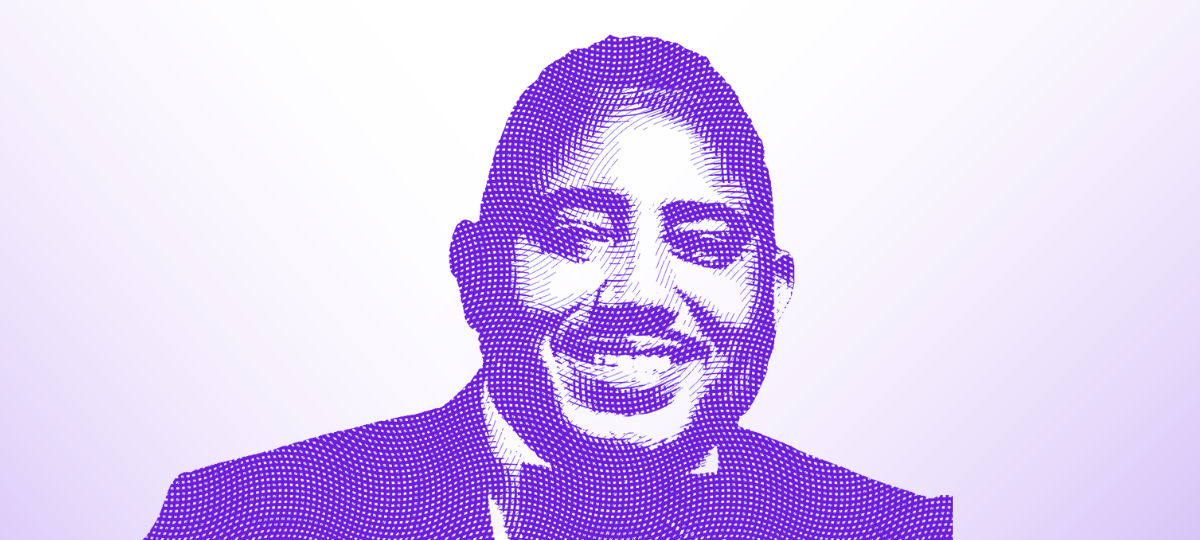
Byron Garrido was born inside a military airbase in the Dominican Republic. His father was a Major in the Dominican Air Force, and for the first six years of his life, the soundtrack of home was the roar of planes taking off and landing.
That early immersion never left him. Garrido, a QA Engineer who has been with X-Team for over two years, used X-Team's Unleash budget to fund his flight training — and recently crossed the finish line, earning his private pilot license. In this story, Garrido walks through the training process that got him airborne, the emotional weight of flying solo for the first time and the goals he has set for himself now that he holds a license.
From Discovery Flight to Private Pilot Certificate
The path to a private pilot license moves in deliberate stages, and Garrido followed each one. It began with a discovery flight — a first taste of what it feels like to sit in the cockpit of a small plane. After that, he connected with a flight instructor and entered ground school, building the theoretical foundation that every licensed pilot needs.
Before taking to the air as a student, he had to obtain both a student pilot certificate and a medical certificate, confirming he was fit to perform flight operations. Then came the actual lessons: maneuvers, emergency procedures and the constant evaluations of his in-the-moment decision-making.
Of all the challenges in training, Garrido singles out weather as the hardest variable to master. "The weather. It's so unpredictable," he says. "There are so many variables to consider, with so many types of weather reports to read and understand. But it's really important, because you have to know how each type of weather affects your flight."
Before any flight, pilots work through a self-assessment mnemonic called IMSAFE — checking for Illness, Medication, Stress, Alcohol, Fatigue and Emotion — alongside a full preflight inspection of the aircraft. Garrido also reviews current and forecast weather for the departure airport, the route and the destination.
The Solo Flight He Had Dreamed About
The moment that crystallized everything came on Jan. 26, 2022. Garrido and his instructor were taxiing back after a touch-and-go that had gone well when the instructor asked if he felt ready to go up alone.
"I couldn't hold in my tears," Garrido says, "because being in a plane by myself was a moment I'd dreamed about for a long time."
He went. He expected nerves. They didn't come. For the first time, he was the pilot in command — entirely responsible for the aircraft and every decision inside it. He completed 2 touch-and-goes before bringing the plane back to the hangar.
Flying a small plane, Garrido says, carries a physical quality that larger aircraft don't. "It feels like the first time every time I get in the plane." Small planes transmit turbulence more directly and demand more corrections during takeoff and landing. Staying sharp means keeping total focus: no adjusting a GoPro mid-flight, no divided attention. He monitors his instruments and listens closely to whatever air traffic control is saying.
As a licensed private pilot, he can fly any single-engine aircraft, light sport aircraft or multi-engine aircraft under 12,500 lbs — though the multi-engine category requires an additional endorsement from a certified flight instructor. He has already put the license to use with cross-country flights in the Dominican Republic to places like Punta Cana, La Romana and Samana.
What Comes Next in the Cockpit
Earning the private pilot license was never meant to be the endpoint. Garrido is building flight time and experience toward two additional ratings: Instrument Rated and Commercial Pilot. His longer-term goal is to become a Certified Flight Instructor — taking the knowledge he accumulated through his own training and passing it on to the next person standing at the start of that path.
For anyone considering their first step, his advice is simple: take a discovery flight before spending money on lessons. Some schools will let students interact with the controls. It's a low-cost way to find out whether the experience resonates before committing to a full training program. And on the misconception that perfect vision is a prerequisite — it isn't. A medical certificate and corrective lenses are all that's required.
He keeps his flying in his free time, scheduling flights on weekends or after work. Flying before the workday starts, he says, isn't something he does — the mental demands of work can affect his concentration while flying, and he prefers to keep the two separate.
Ready to build work you're proud of? Apply for an open role at X-Team.
SHARE:


TABLE OF CONTENTS